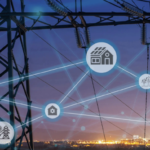
Smart infrastructure and urban technology represent a significant evolution in urban planning. These advancements leverage data analytics to optimize resources and enhance efficiency. Cities are increasingly adopting smart traffic management and sustainable energy solutions. However, the integration of these technologies raises questions about equity, privacy, and the role of community engagement. As urban environments transform, it becomes crucial to examine how these innovations will shape the future of urban living and address emerging challenges.
The Role of Technology in Urban Planning
Technology serves as a cornerstone in modern urban planning, significantly influencing the design, development, and management of urban environments.
Through data-driven decision making, planners leverage analytics to optimize land use, resource allocation, and infrastructure development.
Furthermore, community engagement tools foster collaboration, allowing citizens to voice concerns and contribute ideas.
This synergy between technology and community participation creates more responsive, adaptive urban spaces aligned with residents’ needs.
Enhancing Transportation With Smart Solutions
Numerous cities are increasingly adopting smart solutions to enhance transportation systems, aiming to improve efficiency, safety, and accessibility.
The integration of autonomous vehicles and smart traffic management systems facilitates real-time data sharing, optimizing traffic flow and reducing congestion.
Collaborative efforts among stakeholders are essential for implementing these technologies, ensuring that urban mobility remains flexible and responsive to the evolving needs of citizens.
Sustainable Energy Innovations in Cities
How can cities effectively harness sustainable energy innovations to address the challenges of urbanization?
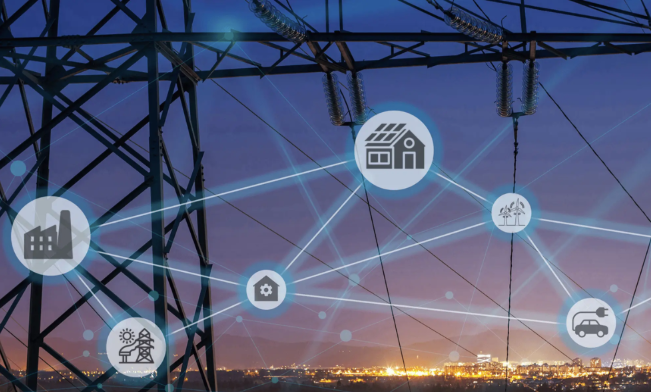
By integrating solar panels into urban infrastructure, cities can significantly enhance energy efficiency and reduce dependence on fossil fuels.
Collaborative initiatives involving local governments, businesses, and communities can drive the adoption of these technologies, fostering a culture of sustainability that empowers citizens while addressing energy needs and environmental concerns.
See also: Smart Grid Technology Explained
The Future of Urban Living: Challenges and Opportunities
As cities embrace sustainable energy innovations, they simultaneously confront a myriad of challenges and opportunities that shape the future of urban living.
Smart housing initiatives provide essential frameworks for energy efficiency, while fostering community engagement enhances social cohesion.
Balancing technological advancements with equitable access remains crucial, as urban planners and stakeholders collaborate to create inclusive environments that empower residents and encourage adaptive, resilient communities.
Conclusion
In the juxtaposition of thriving urban landscapes and the challenges of congestion and inefficiency, smart infrastructure emerges as a beacon of hope. By seamlessly integrating advanced technologies, cities can transform obstacles into opportunities for sustainable growth and enhanced quality of life. However, the success of these innovations hinges on collaborative efforts that engage community voices and prioritize equitable access. As urban environments evolve, the balance between technological advancement and human-centric design will define the future of urban living.