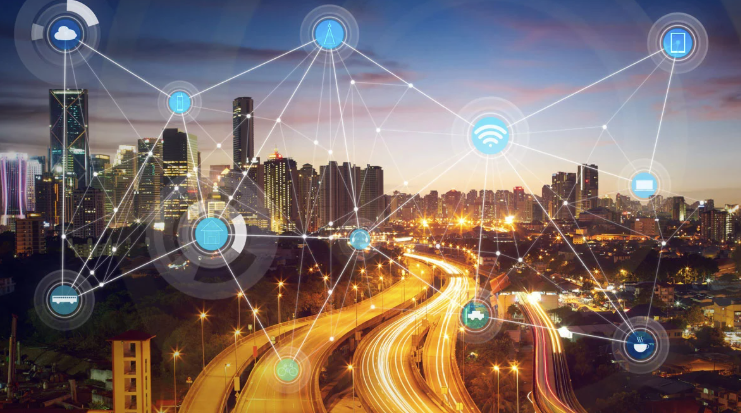
Smart grid technology represents a transformative approach to energy management. It combines traditional electrical systems with advanced communication and information technologies. This integration enables real-time monitoring and efficient control of energy consumption. The implications for resource management are profound, yet the complexities and challenges of implementation warrant further exploration. Understanding how smart grids operate and their potential benefits is crucial for grasping the future landscape of energy consumption and distribution.
What Is Smart Grid Technology?
Smart grid technology represents a transformative evolution in energy management, integrating advanced communication and information technologies into the traditional electrical grid.
By utilizing smart meters, this innovative system enhances energy efficiency, enabling real-time monitoring and control.
Consumers gain unprecedented insight into their energy usage patterns, fostering informed decisions that promote sustainability and autonomy, ultimately leading to a more resilient and responsive energy ecosystem.
How Smart Grids Work
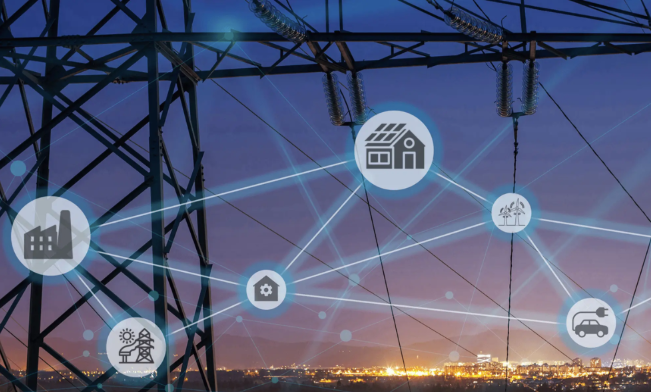
The operation of smart grids hinges on an intricate interplay of advanced technologies that enhance the traditional electrical grid’s capabilities.
These systems employ sophisticated grid communication methods, allowing real-time data exchange between utilities and consumers. Consequently, energy distribution becomes more efficient, responsive, and adaptable, enabling better management of resources and demand.
This dynamic framework empowers individuals to optimize their energy usage and pursue greater autonomy.
See also: Smart Glasses and Their Applications
Benefits of Smart Grid Technology
A comprehensive implementation of smart grid technology offers numerous benefits that extend beyond enhanced energy efficiency.
By optimizing energy distribution and enabling real-time monitoring, smart grids facilitate significant cost savings for consumers and utility providers alike.
These advancements not only empower individuals with greater control over their energy usage but also promote sustainable practices, ultimately fostering economic growth and environmental responsibility.
The Future of Energy Management
Advancements in energy management systems are poised to revolutionize how electricity is generated, distributed, and consumed, building on the efficiencies gained through smart grid technology.
By integrating renewable energy sources and enhancing energy efficiency, future systems will empower consumers to optimize their energy use.
This shift will not only reduce dependence on fossil fuels but also promote sustainable practices, fostering a more liberated energy landscape.
Conclusion
In conclusion, smart grid technology represents a transformative shift in energy management, enhancing efficiency and empowering consumers through real-time data integration. With an estimated potential to reduce electricity consumption by up to 15% globally, smart grids not only optimize resource management but also drive economic growth and sustainability. As the world increasingly embraces renewable energy sources, the continued evolution of smart grid systems will be pivotal in shaping a resilient and environmentally responsible energy future.